

Gardeners HA8 guide for Broadwalk Estate gardens
Posted on 12/10/2026
Gardeners HA8 Guide for Broadwalk Estate Gardens
If you live in Broadwalk Estate and your garden never quite feels as tidy, balanced, or easy to enjoy as it should, you are in the right place. This Gardeners HA8 guide for Broadwalk Estate gardens is designed to help you understand what local garden care really involves, what to prioritise first, and how to make sensible choices that suit London homes and busy routines. Broadwalk Estate gardens can be lovely, but they also face the usual mix of shade, shared boundaries, compact layouts, overlooked corners, and weather that seems to change its mind by lunchtime. A good plan makes all the difference.
In this guide, we'll walk through the practical side of keeping an estate garden healthy and presentable, from lawn care and hedge trimming to patios, fencing, and longer-term maintenance. You'll also find a useful checklist, a comparison table, and a realistic example of how a well-ordered maintenance plan can transform a space without turning it into a weekend chore.
Why Gardeners HA8 guide for Broadwalk Estate gardens Matters
Broadwalk Estate gardens are rarely "one size fits all". Some are neat front plots that need regular edging and simple planting. Others are shared or enclosed spaces where privacy, drainage, and maintenance access matter just as much as looks. That is why a localised approach is so useful. Garden care in HA8 is not just about cutting grass and trimming hedges; it is about reading the space properly and matching the work to the site.
To be fair, many garden problems start small. A bit of moss on the path. A hedge that grows fast after one rainy spell. A border that looks thin because the soil is tired. Leave those things alone for a season or two and suddenly the garden feels more stressful than restful. A consistent routine prevents that slow slide.
There is also a quality-of-life angle. When a garden is manageable, you are more likely to use it. A clean patio gets sat on. A sheltered corner gets planted. A tidy lawn becomes somewhere children can play or you can have a cup of tea in the morning before the day gets noisy. Simple, but true.
If you want a wider service overview, it can help to start with the full range of gardening services in Edgware HA8 and then narrow down what Broadwalk Estate needs most urgently.
How Gardeners HA8 guide for Broadwalk Estate gardens Works
The easiest way to think about garden care is as a sequence, not a random list of jobs. First, you assess the space. Then you decide what needs tidying, what needs restoring, and what needs longer-term improvement. That order matters. There is little point laying new plants before you have dealt with weeds, drainage, or a patchy lawn, for example. You end up repeating work. Nobody wants that.
A typical Broadwalk Estate garden plan might include:
- Initial assessment of lawn condition, borders, shrubs, hard landscaping, and boundary lines.
- Priority tasks such as weed removal, hedge cutting, pruning, or clearing overgrowth.
- Surface care including patio washing, sweeping, and stain removal where needed.
- Planting and recovery work such as soil improvement, mulching, or replanting bare spots.
- Regular maintenance to keep the garden looking tidy between deeper seasonal visits.
This is where specialised tasks become useful. If the lawn is thin or uneven, dedicated lawn care in HA8 may be a better starting point than cosmetic mowing alone. If hedges are swallowing light or edges are looking blunt, hedge trimming in Edgware HA8 gives the space structure again. And if the patio has gone slippery or dull, a proper patio cleaning service can make the garden feel bigger and brighter straight away.
The point is not to over-engineer it. It is to treat the garden as a living system, with the hard surfaces, plants, and boundaries all affecting one another. That is the part many people miss when they try to "just tidy it up" in an afternoon.
Key Benefits and Practical Advantages
There are plenty of reasons to keep Broadwalk Estate gardens on a sensible maintenance plan, but the best ones are practical. You see the difference quickly, and you feel it over time.
- Better first impressions - a clean, well-kept garden makes the whole property feel more cared for.
- Less long-term damage - regular attention helps prevent overgrowth, rot, compaction, and weed spread.
- Safer movement - clear paths, trimmed edges, and tidy surfaces reduce slips, trips, and awkward corners.
- More usable space - you reclaim patios, lawns, and borders that may have become cluttered or underused.
- Healthier planting - when light, air, water, and soil are managed properly, plants generally perform better.
- Lower stress - this one matters more than people admit. A garden that is easier to maintain is simply nicer to live with.
There is also a design benefit. A well-run garden reads better visually. The eye can move from lawn to border to seating area without getting stuck on messy transitions or tangled growth. Even small details, like sharpened edges or a well-shaped hedge, change how polished the space feels.
For homes with more ambitious layouts, broader landscaping in Edgware HA8 can help align the practical side with the decorative side. If you have a side return, a raised bed, or a tricky rear corner, a little planning goes a long way.
Expert summary: The best Broadwalk Estate gardens are not necessarily the fanciest ones. They are the ones with a repeatable routine, sensible planting choices, and a clear division between what needs weekly attention and what only needs seasonal work.
Who This Is For and When It Makes Sense
This guide is useful if you own, rent, or manage a property on Broadwalk Estate and want the garden to look good without becoming a burden. It also makes sense if you are in one of those in-between moments: the garden is not a disaster, but it is not really where you want it either. Honestly, that is where many people are.
You may find this especially helpful if:
- your lawn has gone patchy or mossy
- hedges are becoming too tall or too wide
- you want better privacy from neighbouring homes
- your patio is stained, green, or difficult to enjoy
- your trees or shrubs have outgrown their space
- you need a better maintenance rhythm across the year
- you are preparing a property for sale or letting
It also matters if the garden has dog traffic, children, or regular footfall. In those situations, the wrong planting or a poorly maintained surface becomes a real annoyance. A shallow border can get flattened, a muddy lawn can get tracked indoors, and a slippery path can turn into a near-constant clean-up job. Not ideal.
Sometimes the right choice is not a major redesign at all. It is simply professional attention in the right places. A lot of Broadwalk Estate gardens can improve noticeably with structured maintenance rather than a full makeover. That is often the smarter spend.
Step-by-Step Guidance
Here is a straightforward way to approach garden care on Broadwalk Estate without making it complicated.
1. Start with a proper walkthrough
Look at the garden in zones: lawn, borders, hedges, trees, paths, fencing, and any decked or paved areas. Check where growth is outpacing maintenance. Notice which areas hold shade or stay damp longer than others. A wet patch in the same place every week is telling you something.
2. Remove the obvious clutter first
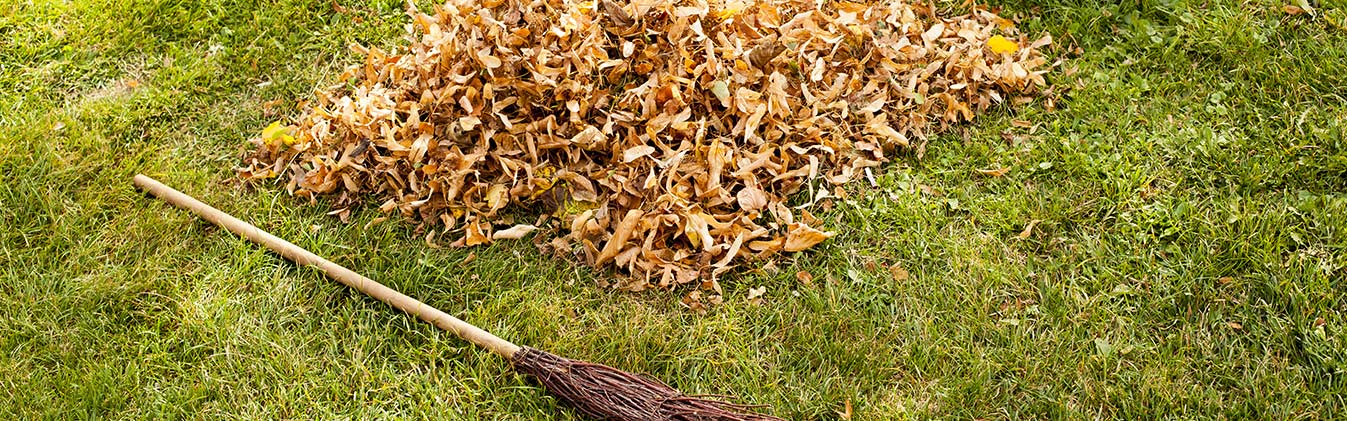
Before you think about planting, clear leaves, loose debris, dead material, old pots, and weeds. This gives you a clean view of the space and stops little problems from hiding under bigger ones. It also makes the whole place feel more manageable immediately, which is surprisingly motivating.
3. Tackle lawn health before lawn looks
Many gardens look "untidy" because the grass is weak, uneven, or full of weed pressure. In those cases, mowing helps, but only up to a point. If the lawn is compacted, thin, or patchy, deeper lawn mowing in Edgware HA8 may need to sit alongside feeding, aeration, or repair work. That is where proper lawn care beats a quick cut every time.
4. Shape hedges and shrubs for light and boundaries
Hedges do a lot of work in estate gardens. They create privacy, screen utility areas, and give the garden a clean edge. But if they are cut badly or left too long between trims, they can become dense, top-heavy, or leggy. A considered trim keeps them healthier and more attractive. For taller or tighter hedging, professional hedge trimming in Edgware HA8 is often worth it.
5. Clean hard surfaces and inspect boundaries
Patios, steps, and edge paving collect algae, dirt, and water marks faster than people expect. A clean surface makes the whole garden feel cared for. At the same time, check fences and gate lines for movement, rot, or gaps. A weak boundary makes the space feel unfinished, even if the planting is good. If repairs are needed, fencing in Edgware HA8 can restore both structure and privacy.
6. Add structure through planting or features
Once the basics are under control, think about how the garden is used. Do you need more shade? More privacy? A seating pocket? A better route from the house to the back gate? This is where planting choices and features matter. Even a modest garden can feel much more intentional with the right borders, a small seating zone, or one carefully chosen focal point.
7. Put the garden on a repeatable routine
A good garden is rarely "done". It is maintained. Set a rhythm that suits the space: weekly for mowing and obvious tidy-ups, fortnightly for edging and checks, seasonally for pruning, feeding, and deeper work. A steady routine is calmer than constant rescue work. Much calmer.
Expert Tips for Better Results
In our experience, the best results come from a few small habits done consistently, not dramatic interventions once a year.
- Trim for shape, not just length. A hedge cut to the same height every time can still look awkward if the sides are neglected.
- Work with the light. Broadwalk Estate gardens with shaded sections often do better with container planting or shade-tolerant species than with sun-hungry beds.
- Keep an eye on edges. Crisp lawn edges make a bigger visual difference than people think. Oddly satisfying too.
- Deal with ivy early. Let it run and it can get stubborn fast. If you are already fighting a patch, the article on ivy control is a useful mental reminder to act before it takes over.
- Use mulch sensibly. It helps retain moisture, suppress weeds, and make planting beds look finished.
- Choose plants with the garden's real conditions in mind. Not the "ideal" conditions on the label. The actual ones. There is a difference.
- Leave room for access. Crowded borders can look lush for a while, then become awkward to maintain. That is a common trap.
If you are planning a bigger refresh, think about the garden as zones that serve different purposes. A quiet seating area, a practical storage edge, a privacy screen, a patch for seasonal colour. That kind of thinking makes the garden feel more usable and less decorative-for-the-sake-of-it. For inspiration, you might also look at the ideas in designing seating areas and zen garden design inspirations.
One small aside: people often overestimate how much needs replacing and underestimate how much just needs smart tidying. Very common. Very human.
Common Mistakes to Avoid
Most garden problems on estates like Broadwalk are not caused by one huge mistake. They build up from smaller ones.
- Cutting hedges too hard at once. A severe cut can leave gaps or stress the plant. Better to shape gradually where possible.
- Ignoring drainage clues. If water sits in the same spot after rain, do not just keep mowing over it.
- Using the wrong mower pattern. Repeatedly mowing the same way can compact the same lines and encourage ruts.
- Planting too close together. It looks full in spring, then becomes a maintenance headache by midsummer.
- Letting patio cleaning slip. Algae and grime build slowly, then suddenly the surface looks far worse than you remember.
- Mixing too many styles at once. A garden can absolutely be varied, but it still needs a clear visual plan.
- Forgetting seasonal timing. Winter prep, spring growth control, and summer watering all demand different responses.
Another mistake is treating tree work like generic pruning. If trees are large, awkwardly placed, or casting heavy shade, they may need a more thoughtful approach. That is where tree surgery in Edgware HA8 becomes relevant, especially if branches are affecting light, safety, or neighbouring structures.
Truth be told, a lot of people wait until a garden becomes visually noisy before they act. By then, the work is bigger, the choices are narrower, and it feels less enjoyable. Earlier is easier.
Tools, Resources and Recommendations
You do not need a shed full of expensive kit to manage a Broadwalk Estate garden well, but a few sensible tools make a real difference.
- Good shears or trimmers for hedges and shrub shaping
- A reliable mower suited to the lawn size and access points
- Border tools like a hand fork, trowel, and edging knife
- A stiff broom or outdoor brush for patios and paths
- Gloves and eye protection for routine pruning and clearance
- Compost or soil improver for tired beds
- Secateurs and loppers for controlled pruning
If you are trying to keep costs sensible, it helps to separate tasks into "must do now" and "can wait until next visit." That keeps the work focused. It also stops you spending on improvements that do not actually move the garden forward. For a more economical mindset, the article on low-maintenance budget garden ideas is a useful reference point.
There is also value in seasonal planning. Spring is often about reset and growth control. Summer is about watering, edging, and keeping things from racing away. Autumn leans into clearance, leaf management, and protection. Winter is the tidy, protective phase. If you keep that rhythm in mind, the garden stops feeling random.
For plant health and soil quality, the article on choosing the right soil and fertilisers is useful if you are planning beds or containers, while turning organic leftovers into garden gold is a handy reminder that waste can become a resource.
Law, Compliance, Standards, or Best Practice
For most domestic gardens in Broadwalk Estate, the main issue is not legal complexity so much as good practice and neighbourly care. Still, there are a few points worth keeping in mind.
First, if you are working near boundaries, fences, shared access routes, or trees with possible preservation considerations, it is sensible to be careful and check before major work begins. Large tree work in particular should not be treated casually. If there is any doubt, a qualified approach is the safer one.
Second, when using tools, access equipment, or ladders, safety matters. A tidy garden is not worth a preventable injury. Simple precautions like keeping bystanders clear, wearing gloves, and avoiding rushed cuts go a long way.
Third, if garden work creates waste, it should be handled responsibly. Green waste, branches, and contaminated debris should not just be dumped in the corner and forgotten. Good maintenance includes proper clearance and disposal.
Best practice in the UK garden context usually means three things: work seasonally, keep surfaces safe, and respect plant health rather than forcing short-term results. That is the steady, sensible way. Not glamorous, but it works.
Options, Methods, or Comparison Table
There is more than one way to maintain a Broadwalk Estate garden. The right choice depends on your time, budget, and the current condition of the space.
| Approach | Best for | Strengths | Limitations |
|---|---|---|---|
| DIY routine | Small, tidy gardens with light growth | Low direct cost, flexible timing | Can miss deeper issues, easy to fall behind |
| Occasional tidy-up | Gardens that mostly behave but need resets | Useful for seasonal clearances | Problems can build between visits |
| Scheduled maintenance | Homes that want steady presentation | Keeps standards consistent, reduces surprise work | Requires planning and commitment |
| Targeted specialist work | Lawns, hedges, trees, patios, fencing, or full redesigns | Addresses specific weaknesses properly | Needs the right service for the right job |
As a rule, the more demanding the garden, the more value you get from targeted specialist help. For example, a flat lawn may only need routine cutting, while a shaded, worn lawn often needs more considered lawn care. Likewise, a border filled with mature shrubs may need less mowing and more pruning, feeding, and spacing decisions.
If your garden feels visually disconnected, combining maintenance with design improvements can help. In that case, a look at decking services in Edgware HA8 or broader landscape planning may be worthwhile, especially where you want a durable seating or circulation area.
Case Study or Real-World Example
Picture a Broadwalk Estate rear garden that had become a bit of a catch-all space. The lawn was thin near the centre, the hedge line had drifted upward, the patio had algae along the shaded edge, and the fence panels looked tired rather than broken. Nothing dramatic, just enough to make the garden feel "not quite there".
The sensible approach was not a full rebuild. First, the garden was cleared and reset. Then the hedge line was cut back carefully to bring in more light. After that, the patio was cleaned, the lawn was treated as a separate job rather than an afterthought, and the border edges were redefined. A few plants were repositioned to improve the flow from house to seating area.
The result was simple but noticeable. The space felt bigger, cleaner, and easier to use. The family could sit out without seeing grime underfoot, and the lawn became a place for children to step onto rather than avoid. There was still work to do, of course. Gardens always have a next step. But the tone changed from "dealing with it" to "enjoying it".
That is the kind of change most homeowners are actually after.
Practical Checklist
Use this checklist if you want to assess a Broadwalk Estate garden before arranging work or starting the next tidy-up.
- Walk the full garden and note problem areas
- Check whether the lawn needs cutting, feeding, or repair
- Inspect hedges for shape, density, and height
- Look for weeds in borders, gravel, and paving joints
- Test whether patios and paths are slippery or stained
- Review fence lines, gate movement, and boundary gaps
- Watch for deadwood, low branches, or tree crowding
- Decide which areas need cosmetic work and which need structural attention
- Clear waste before starting planting or refinement work
- Set a repeat maintenance rhythm for the next few months
If you can tick most of those boxes, you are in a strong position. If not, that is fine too. It just means the garden is asking for a more structured response rather than another rushed tidy.
Get a free quote today and see how much you can save.
Conclusion
A good garden on Broadwalk Estate is not about perfection. It is about making the space work well, look cared for, and stay manageable through the seasons. The best results usually come from a clear plan: assess honestly, fix the basics, choose the right maintenance method, and keep up with the little jobs before they become bigger ones. Simple enough, really. But that simplicity is what makes it sustainable.
Whether you need lawn help, hedge shaping, patio cleaning, tree care, fencing support, or broader garden maintenance, the key is matching the job to the condition of the garden. That is where value lives. Not in doing everything at once, but in doing the right things in the right order.
And if you get that right, the garden starts giving back. More light. More order. More room to breathe. That is a nice thing to have at the end of the day.

With his expertise in gardening, Jacob offers unparalleled assistance to numerous clients in achieving their gardening aspirations. Moreover, his proficiency in writing allows him to explore diverse themes within the realm of gardening and landscape architecture.