

Common access problems for Edgware gardeners and fixes
Posted on 28/10/2026
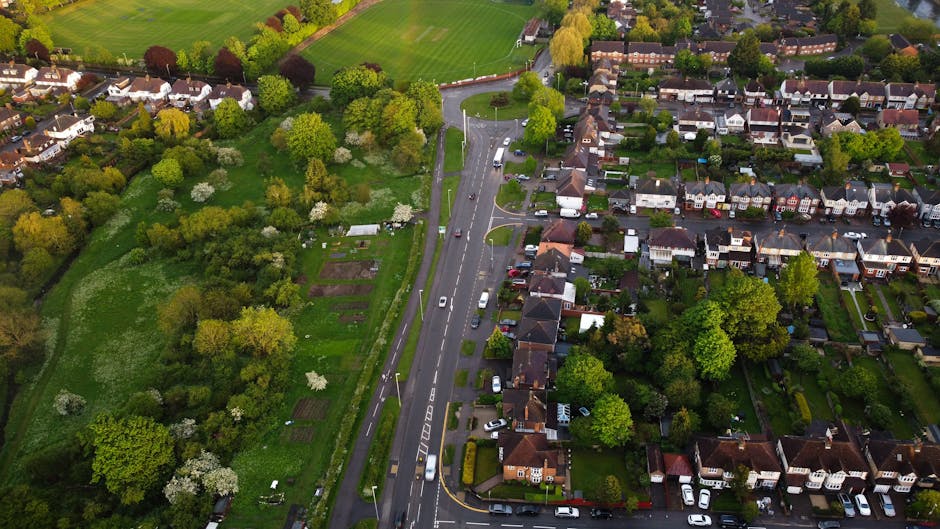
Garden access sounds simple until you're standing at the side gate with a mower, a wheelbarrow, a bag of compost, and a path that's just a bit too narrow for comfort. In Edgware, that's a familiar story. Older terraces, side returns, shared driveways, locked rear gates, awkward levels, and tight front-to-back access can turn a routine visit into a slow, fiddly job. The good news? Most access issues are manageable once you know what you're dealing with.
This guide on Common access problems for Edgware gardeners and fixes explains the real-world snags gardeners run into, why they matter, and what to do about them. You'll find practical solutions, a clear step-by-step approach, a comparison table, and a checklist you can use before the first cut, prune, or tidy-up. To be fair, a small bit of planning often saves a lot of hassle later.
Whether you're a homeowner trying to make life easier for a regular maintenance visit, or a gardener looking to work more efficiently on local properties, this article will help you spot problems early and fix them properly.
Why common access problems matter
Access problems are not just an inconvenience. They shape how safely, quickly, and neatly work can be completed. If a gardener has to drag equipment through a narrow side passage, squeeze past bins, or keep opening a gate every few minutes, the whole job slows down. You may not notice it from the house, but the extra lifting and manoeuvring can increase the risk of damaged turf, scuffed paving, bent tools, and minor injuries.
In Edgware, access issues often show up in mixed housing layouts. A garden can look straightforward from the back window and still be awkward in practice. A path may be too tight for a mower deck. A hedge line may block the route to the rear. A garden room, extension, or stored bikes can make the usable space feel smaller than it is. And then there's weather. After a wet morning, a slippery side passage can turn a quick visit into a cautious shuffle. Nobody wants that.
Fixing access problems early means the work starts smoothly and ends cleanly. It also helps with scheduling. If a gardener knows whether there's side access, rear access, step-free access, or shared access, they can bring the right kit and plan the order of tasks. That usually means better results and fewer delays.
For bigger jobs, access becomes even more important. If you're arranging landscaping support in Edgware or a project that involves materials, waste removal, or larger machinery, the route in and out of the garden can change the entire method. It's one of those details that seems small until it isn't.
How common access problems for Edgware gardeners and fixes works
Think of garden access as the workflow between the street, the house, and the work area. A gardener needs a safe path for people, tools, green waste, and sometimes heavy materials. When that path is open and clear, jobs move normally. When it's blocked or awkward, the fix is usually a mix of better planning, the right equipment, and a few practical adjustments on site.
The most common access issues fall into a handful of groups:
- Narrow side passages that won't comfortably fit large tools or wheelbarrows.
- Locked or missing gates that delay entry.
- Shared access routes where neighbours or deliveries complicate movement.
- Steps, slopes, and uneven ground that make transport harder.
- Blocked pathways caused by bins, stored items, overgrowth, or garden furniture.
- Limited parking or loading space close to the property.
- Low headroom or overhanging growth that physically restricts movement.
Fixes are rarely dramatic. More often, they're simple but smart: use smaller tools, break tasks into stages, clear the route before starting, unlock gates in advance, or temporarily move furniture and pots. For access routes affected by dense planting, a tidy-up can make a huge difference. Services such as hedge trimming or tree surgery are often part of the solution when branches and hedges are literally in the way.
There's also a planning side. The best gardeners ask a few questions before they arrive: How wide is the side passage? Is there key access? Are the gates self-locking? Is there enough turning room for a barrow or sack trolley? Can waste be carried through the house if needed, or is that a no-go? These little questions save a lot of guessing.
Key benefits and practical advantages
Improving access does more than make the day easier. It changes the quality of the work. Here's what tends to improve when access is thought through properly.
- Less physical strain: fewer awkward lifts, fewer tight turns, less dragging heavy items over steps.
- Better protection for surfaces: patios, turf, fencing, and door frames are less likely to get marked or chipped.
- Faster turnaround: less time spent navigating obstacles means more time spent actually gardening.
- Cleaner finishes: clippings, soil, and debris are easier to remove when the route is clear.
- Safer working conditions: fewer trip hazards and less pressure to carry tools in unsafe ways.
- More predictable pricing: when access is known in advance, quotes and schedules tend to be more accurate.
That last point matters more than people think. A straightforward lawn cut can become a longer, more complicated visit if the mower has to be carried through a house or a side path barely wider than the handle. If the garden also needs regular upkeep, it may be worth looking at garden maintenance in Edgware so access issues can be handled as part of an ongoing routine rather than as a one-off scramble.
Expert summary: the best access fix is rarely "one big solution". It's usually a combination of better route planning, smarter tool choice, and removing the small blockers that slow everything down.
Who this is for and when it makes sense
This topic matters to a lot of people, not just gardeners. Homeowners, landlords, tenants, property managers, and even keen DIY gardeners can all run into access headaches. If you've ever said, "It's only a small garden, so it should be easy," and then discovered the side gate is jammed shut by a recycling bin and a stack of pots, you already know the feeling.
It makes particular sense if:
- your garden is behind a terrace or a side-return layout;
- you have narrow gate access or a tight passage;
- there are steps between the house and the garden;
- you rely on regular mowing or hedge work;
- you're planning landscaping, decking, or fencing work;
- you've got shared access with neighbours;
- you often move compost, soil, gravel, or waste through limited routes.
It also makes sense if you want less disruption. A well-managed access route means less noise, less mess, and fewer "sorry, can I just squeeze past?" moments. Not glamorous, perhaps, but very useful.
For gardens where lawn care is part of the normal routine, even a small access issue can become annoying fast. A route that works for a pruning day may still be poor for a mower, so it is worth considering lawn care in Edgware if you need a more structured, repeatable approach.
Step-by-step guidance
Here's a practical way to deal with access problems without overcomplicating things.
- Walk the full route before work starts. Start at the street and follow the exact path a gardener would take. Notice width, height clearance, steps, gates, and slippery surfaces.
- Identify the bottleneck. Is it the gate, the passage, the surface, the turn into the garden, or storage blocking the route? There's usually one main problem that causes most of the frustration.
- Clear movable items. Bins, bikes, plant pots, hose reels, garden chairs, and children's toys can all be shifted temporarily. It sounds obvious, but it changes everything.
- Measure the tightest points. Even a rough tape-measure check helps. If a barrow or mower won't fit, knowing that in advance avoids awkward improvisation later.
- Decide whether the route needs maintenance. If overgrowth or worn paving is the problem, consider a tidy-up, surface cleaning, or a more permanent fix. A slippery patio or mossy step is an access issue, not just a cosmetic one.
- Choose the right tools. Smaller machines, folding handles, lightweight bags, and hand tools may be more practical than forcing large equipment through a narrow route.
- Protect vulnerable surfaces. Use boards, mats, or temporary covers where needed, especially on soft lawns, old paving, or painted thresholds.
- Review the route after the job. If you found a pinch point, make a note of it. Next time, the job starts with less guesswork.
If access is limited because a patio has become slippery or cluttered with growth, a clean and safe route can be restored with patio cleaning in Edgware. That often helps more than people expect. A clean step is easier to see, easier to walk on, and less likely to catch out a laden wheelbarrow.
Expert tips for better results
Here are the sorts of things experienced gardeners tend to do without making a fuss about it.
- Start with access, not with the first visible task. It's tempting to mow or prune straight away. Better to clear the route first.
- Keep one "travel kit" for awkward gardens. A compact set of hand tools, a small rake, secateurs, gloves, and a lightweight bag can be more useful than one oversized toolkit.
- Use the shortest carrying route, not the most convenient-looking one. The side path may seem easier, but if it's narrow and twisty, the front path might actually be safer.
- Trim back the route, not just the garden. Overhanging stems, hedge edges, and low branches often create the real pinch point.
- Plan waste removal before the first cut. If green waste has nowhere to go, it clogs up the work area fast.
- Work in stages for very tight properties. A garden with limited access often goes better if tasks are split into sections instead of handled all at once.
In our experience, the quietest jobs are the best ones. Not because nothing happened, but because the access plan was sorted early and nobody had to keep backtracking. That's the dream, really.
If your access problem is tied to boundary planting or privacy screening, it may help to look at hedge trimming services alongside the maintenance visit. Sometimes a hedge that gives privacy can also be the reason the wheelbarrow won't pass through.
Common mistakes to avoid
Most access problems become bigger because of small mistakes, not because the garden is impossible.
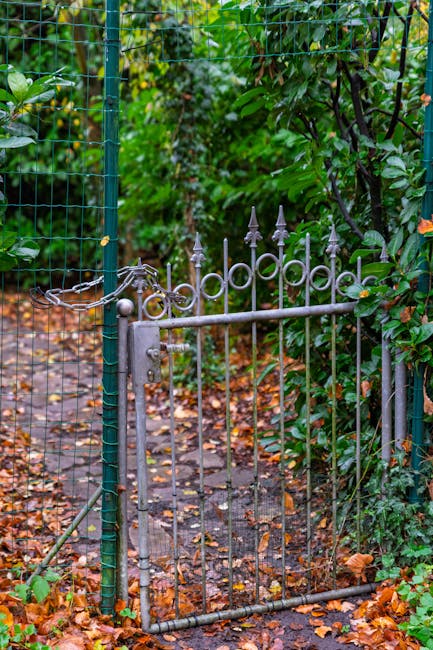
- Leaving gates locked or blocked. A surprising number of delays start with a key that wasn't left out.
- Forgetting to mention side access limits. If the gardener only finds out on arrival, everyone loses time.
- Assuming a narrow route is "fine". Fine for what, exactly? A person, maybe. A mower, often no.
- Ignoring uneven paving or loose steps. These are trip hazards, not minor quirks.
- Stacking items by the access point. It's amazing how often bins, timber, and spare pots end up in the one place you need clear.
- Trying to force full-size equipment through tight spaces. That's how surfaces get damaged and tempers rise a bit.
- Not thinking about exit as well as entry. Getting into the garden is only half the job; getting waste and tools back out matters too.
A quick example: a homeowner expects a simple hedge trim, but the only route to the rear is through a passage crowded with bikes and a broken planter. The gardener can work around it, sure, but the job takes longer and the finish is never quite as smooth. It's avoidable, which is the annoying part.
Tools, resources and recommendations
You don't need a van full of specialist gear to solve access issues. A small toolkit and a bit of common sense go a long way.
| Problem | Useful approach | Practical note |
|---|---|---|
| Narrow side access | Use compact hand tools, folding handles, or smaller machines | Best when the route is just wide enough for a person but not for bulky kit |
| Slippery route | Clean moss, algae, and debris; improve grip where possible | Wet weather makes this worse, especially in shaded areas |
| Overgrown passage | Cut back shrubs, hedges, and low branches | Often a one-off fix that creates lasting access gains |
| Blocked entry point | Move bins, furniture, pots, and stored items before arrival | Usually the fastest and cheapest fix |
| Waste handling issue | Set a clear staging area for clippings and bags | Prevents the garden from getting cluttered halfway through |
| Weak surfaces | Use temporary boards or mats to spread weight | Helpful on soft lawns, old steps, or delicate paving |
For larger jobs, the right supporting services can make access much easier. If fence panels are leaning into a narrow route, for example, fencing work in Edgware can restore both access and boundary clarity. And if you're planning a larger makeover, decking services or broader outdoor improvements may need an access-friendly layout from the outset.
One more practical point: keep a simple note of what worked and what didn't. After a few visits, patterns become obvious. The same gate sticks every time. The same step catches the barrow wheel. The same hedge blocks the turning space. That's useful information, not admin for the sake of it.
Law, compliance, standards, or best practice
Access work in gardens is usually more about good practice than formal regulation, but there are still sensible standards to follow. In the UK, anyone carrying out work should think carefully about safe movement, manual handling, trip hazards, and keeping routes clear. If a property is shared, it's also courteous to avoid blocking neighbour access without warning.
For homeowners and gardeners alike, the key best-practice ideas are straightforward:
- keep routes clear and visible;
- avoid carrying loads that are too heavy or too awkward for the space;
- use stable footing on wet or uneven surfaces;
- communicate about gates, keys, pets, and shared passages before work begins;
- take extra care near glass, parked cars, children's toys, and fragile planting.
If a job involves working at height, tree branches, or larger-scale cutting, additional care is sensible and sometimes specialist help is the safer option. That is especially true where access is tight and the margin for error is small. Truth be told, squeezing through a narrow route while carrying long branches is not anyone's favourite moment.
Good access planning is not about overcomplicating the job. It's about keeping people safe, protecting property, and making sure the work can actually be completed well.
Options, methods, or comparison table
There isn't one universal fix for access problems. The right method depends on what's blocking the way and how often the issue comes up.
| Method | Best for | Pros | Limits |
|---|---|---|---|
| Temporary clearing | Bins, toys, pots, furniture, loose clutter | Fast, cheap, flexible | Needs repeating each visit if the layout never changes |
| Route trimming | Overgrown hedges, low branches, crowded passageways | Creates lasting improvement | May need ongoing maintenance |
| Smaller equipment | Narrow gates, tight side paths, stepped access | Reduces strain and damage risk | Can be slower for very large areas |
| Surface repair or cleaning | Slippery or broken pathways | Improves safety and movement | May require a bigger one-off effort |
| Layout adjustment | Repeated access problems in the same spot | Most durable solution | Often costs more time and planning |
If the problem is repeated, not occasional, it usually pays to think beyond the one visit. For example, a garden that always feels cramped around the back route may need a longer-term tidy-up, perhaps paired with general gardening services that tackle access, plant control, and maintenance together rather than separately.
Case study or real-world example
A typical Edgware example goes like this. A semi-detached property has a decent-sized rear garden, but the only practical route is a side passage next to the house. The passage has a slight slope, a narrow gate, two recycling bins, and a hedge that has slowly crept into the walkway. Nothing dramatic on its own. Together, though, it's a bit of a headache.
On the first visit, the gardener spends extra time moving items, checking footing, and making several trips because the barrow cannot pass cleanly. The hedge throws a shadow over the route, so the damp paving stays slippery a little longer after rain. The result is a slower visit and a slightly messier workflow than expected.
The fix is not complicated. The bins are moved to a less obstructive spot. The hedge is cut back to restore the width of the passage. The paving is cleaned so the route is less slick. Smaller carry bags are used for the heaviest waste rather than overfilling one awkward load. Next visit, the same job takes far less effort. Same garden, same work, different experience.
That's the useful lesson: access is often a system problem, not a single obstacle. When you deal with the system, the rest of the job improves almost automatically.
Practical checklist
Use this before any garden visit or seasonal tidy-up. A quick five minutes here can save a lot of back-and-forth later.
- Are all gates unlocked and easy to open?
- Is the main access route clear of bins, bikes, toys, and furniture?
- Are any steps, slopes, or paving slabs loose or slippery?
- Is there enough width for the planned equipment?
- Do hedges, shrubs, or low branches block the route?
- Is there a dry, safe place to stage tools or waste?
- Will neighbours, pets, or deliveries affect the access route?
- Does the gardener know the best entry and exit point?
- Are any fragile surfaces protected?
- Has the layout changed since the last visit?
If you can answer yes to the first few and make the rest workable, you're in a good place. Simple, but effective.
For ongoing upkeep, especially where access issues are tied to regular cutting or trimming, a service plan can make things much smoother. If your garden tends to close in after a few weeks, lawn mowing support can be part of keeping the whole space usable rather than letting it edge back into awkwardness.
Conclusion
Common access problems for Edgware gardeners and fixes are usually less about big construction changes and more about smart, practical habits. Clear the route, trim what gets in the way, choose equipment that fits the space, and deal with slippery or blocked passages before they become a nuisance. Once access is under control, the gardening work itself gets easier, tidier, and safer.
That matters whether you're maintaining a small courtyard, managing a family garden, or planning a bigger outdoor project. A good access plan is one of those quiet wins that keeps paying you back. Not flashy, just useful. And honestly, that's what makes the difference on a damp Tuesday morning when everything needs doing at once.
If you want a smoother, less stressful garden visit, start with the route in and out. It's the bit most people overlook, and the bit that often changes everything.
Get a free quote today and see how much you can save.


With his expertise in gardening, Jacob offers unparalleled assistance to numerous clients in achieving their gardening aspirations. Moreover, his proficiency in writing allows him to explore diverse themes within the realm of gardening and landscape architecture.